Author: Sudhir Choudhary | October 11, 2026
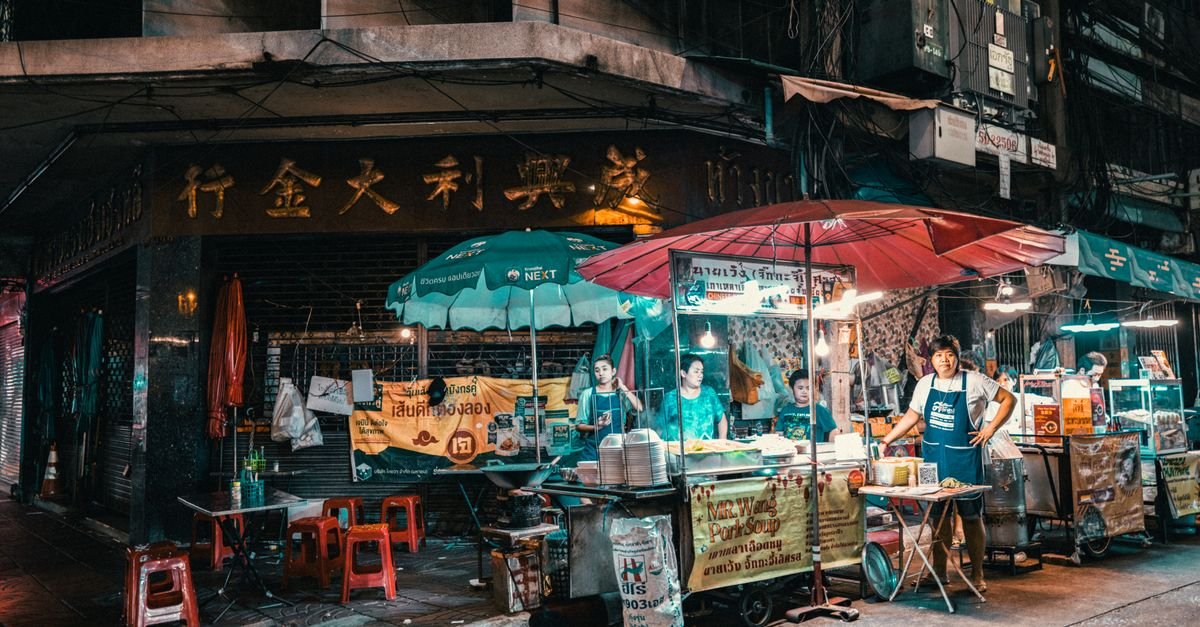
Thailand. The very name evokes a symphony of senses: the vibrant hues of a fresh papaya salad, the sharp tang of a tom yum broth, the sweet relief of a mango sticky rice, and the incessant hum of woks sizzling over roaring flames. As a seasoned explorer and passionate food journalist, I’ve traversed countless landscapes, but few have captured my culinary soul quite like Thailand’s street food scene. It’s more than just sustenance; it’s the heartbeat of a nation, an intricate dance of flavor, tradition, and relentless innovation, played out under neon lights and starry skies. Prepare to embark on an epicurean adventure where every corner holds a new discovery, every stall a story.
The Grand Stage: Top Street Food Hubs
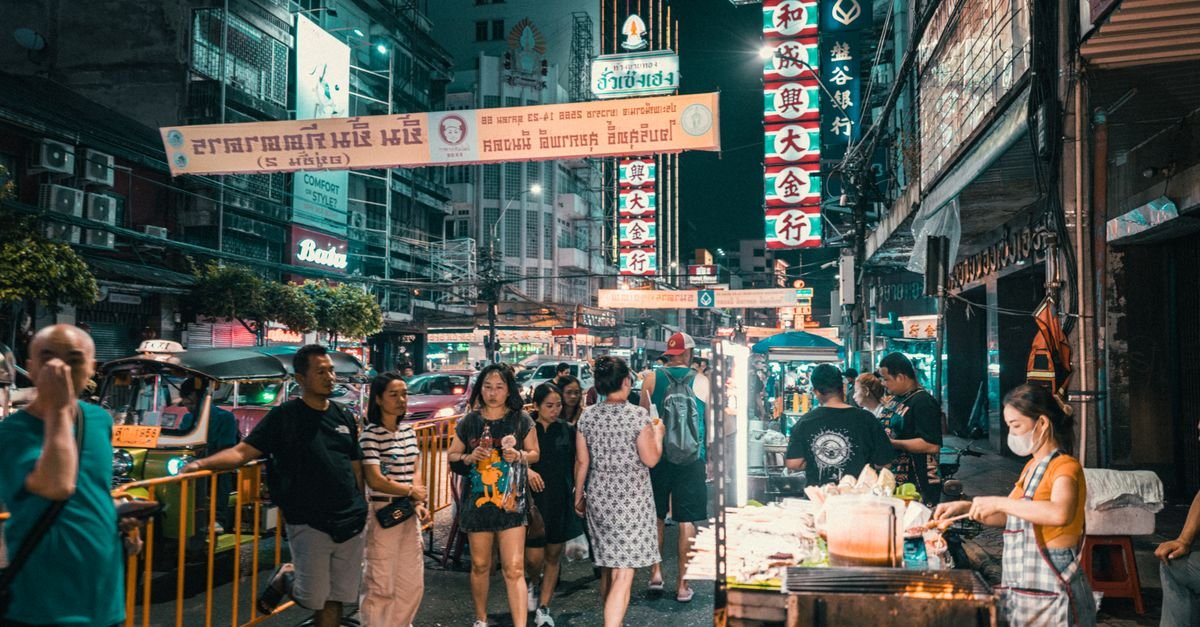
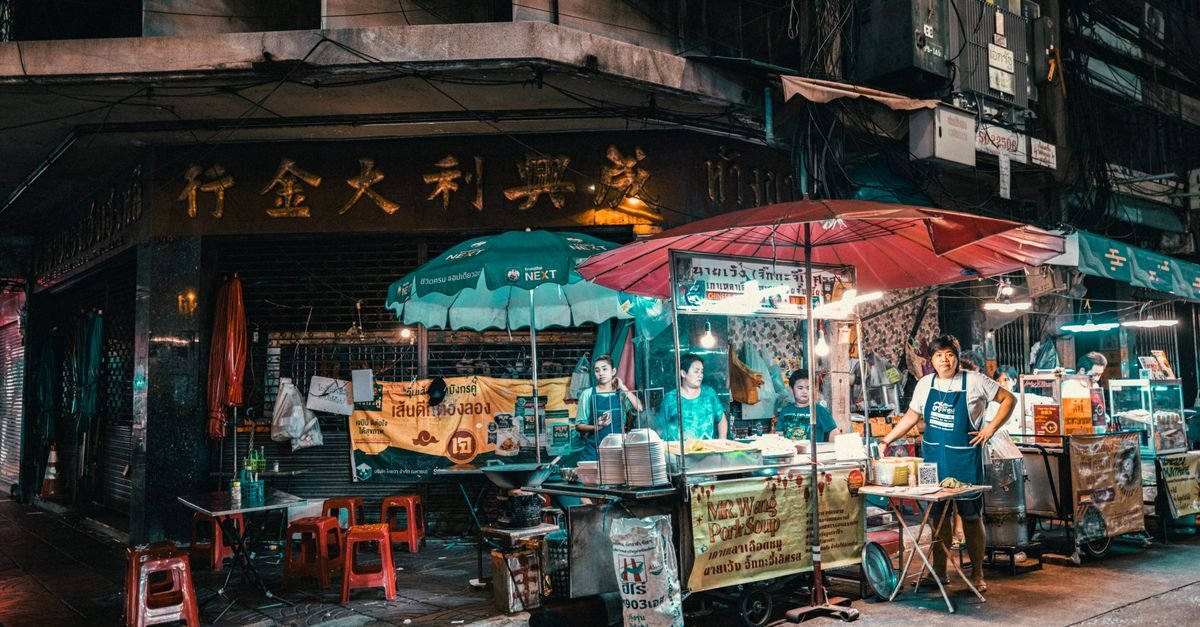
Bangkok, the sprawling metropolis, is undeniably the undisputed king of Thai street food. For a truly iconic experience, plunge into the dazzling chaos of Yaowarat (Chinatown). As dusk falls, this ancient quarter transforms into a glittering spectacle, a labyrinth of food stalls serving everything from succulent grilled prawns and crispy oyster omelets to rich duck noodles and durian ice cream. The sheer variety and energy here are unparalleled. For a slightly more local, yet equally vibrant scene, explore Ratchawat and Somsri Markets, famous for legendary duck noodles and tender beef noodles. If you seek premium ingredients and gourmet-level prepared dishes in a cleaner setting, Or Tor Kor Market (near Chatuchak Weekend Market) is a revelation, though prices are higher. Don't forget the endless food stalls peppered throughout Chatuchak Weekend Market itself – perfect for refueling between souvenir hunts.
Venturing north, Chiang Mai offers a more laid-back, yet equally captivating, street food experience. The Sunday Walking Street is a must-visit, a sprawling feast of Northern Thai delicacies like *Khao Soi* (curried noodle soup), *Sai Oua* (Northern Thai sausage), and vibrant fruit shakes. For a daily dose of local flavor, the historic Warorot Market during the day and the bustling stalls around Chang Puak Gate (North Gate) in the evening, particularly the famous 'Cowgirl's' *Khao Kha Moo* (stewed pork leg), are essential stops.
Down south, Phuket Town's Sunday Walking Street Market and Krabi Walking Street come alive with an array of fresh seafood, Southern Thai curries, and unique snacks, offering a taste of the region's distinct culinary identity.
Beyond the Plate: Local Culture & Etiquette
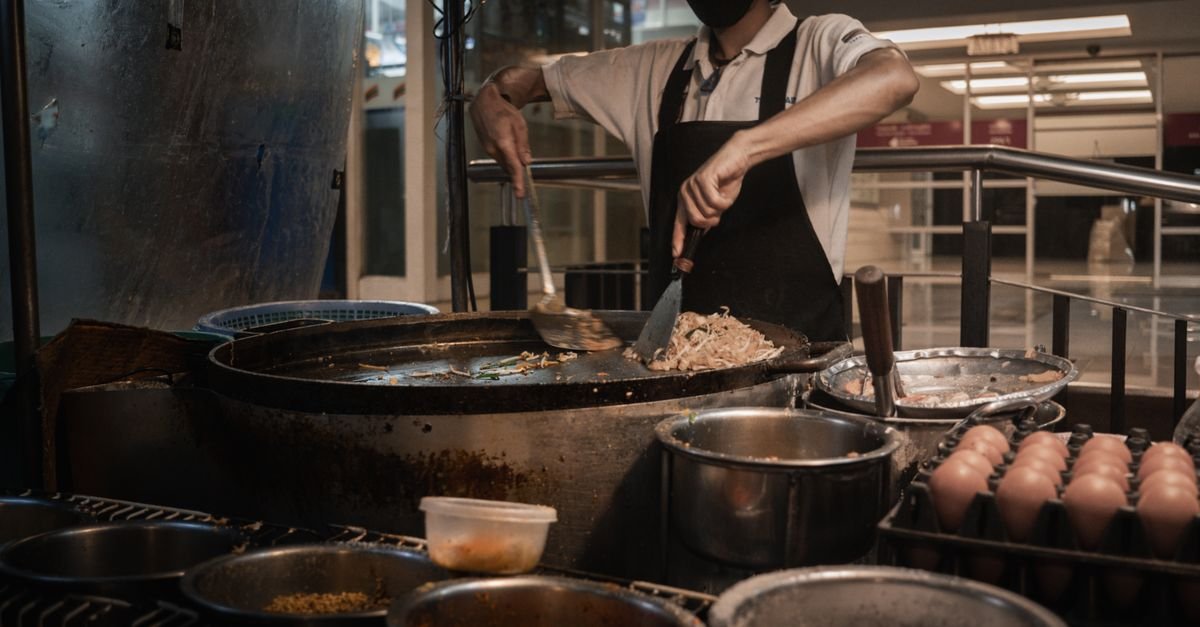
Eating street food in Thailand is a communal, sensory-rich affair. Dishes are often shared, fostering a convivial atmosphere. Don't be afraid to order several items and pass them around. You'll primarily use a fork and spoon, with chopsticks reserved for noodle dishes. Embrace the heat! Thai food is famous for its spice, but you can always request "mai phet" (not spicy) or "phet nit noi" (a little spicy) when ordering. Observe local habits: look for stalls with high turnover and fresh ingredients – a clear sign of quality and hygiene. A polite "wai" (a slight bow with palms pressed together) and a friendly "kob khun krub/ka" (thank you) will always be appreciated by vendors. Tipping isn't customary at street stalls, but rounding up the small change is a nice gesture.
Unearthing Culinary Treasures: Hidden Gems
The real magic of Thai street food lies in its serendipitous discoveries. To uncover hidden gems, venture beyond the main tourist arteries into the *sois* (small alleys) of residential areas. Here, you'll find humble stalls catering to locals, often specializing in a single, perfectly executed dish passed down through generations. Seek out markets like Nang Loeng Market in Bangkok for old-school Thai desserts and traditional snacks that are increasingly rare.
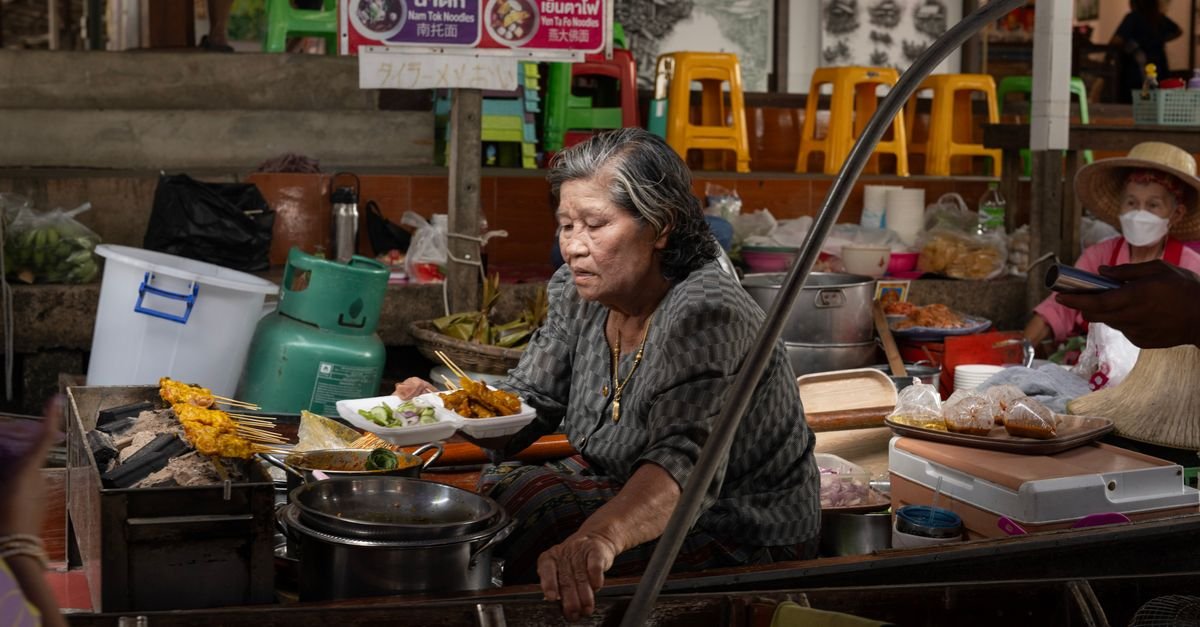
Beyond the well-trodden floating markets, consider Tha Kha Floating Market near Amphawa for a more authentic, less commercialized experience. The small morning markets (e.g., local fresh markets during daylight hours) in any town often hide vendors selling unique regional breakfast items or obscure sweets that aren't found in evening markets. Be adventurous, follow your nose, and don’t hesitate to try something unfamiliar – sometimes the best discoveries are made when you least expect them.
Navigating the Feast: Practical Travel Tips
Embarking on a street food journey requires a few practical considerations. Hygiene is key: always choose busy stalls where food is cooked fresh to order and ingredients look vibrant. Carry hand sanitizer. Cash is king: most street vendors only accept Thai Baht, preferably in small denominations. Learn basic Thai phrases: "Tao rai?" (How much?), "Aroi mak" (Very delicious!), and the aforementioned spice requests will go a long way. Stay hydrated with bottled water. Don't be shy – point to what you want if language is a barrier. For those with dietary restrictions, it can be challenging but not impossible; carry a translation card if needed, especially for allergies like nuts or seafood. Most importantly, approach the experience with an open mind and a spirit of adventure!
The Perfect Palate: Best Times to Visit
The cool and dry season (November to February) is arguably the best time to visit Thailand for street food exploration. The weather is pleasant, with lower humidity, making it ideal for walking around markets and enjoying outdoor dining. While the hot season (March to May) can be intense, it brings with it seasonal fruits like durian and rambutan, often found in abundance at street stalls. The rainy season (June to October) offers lush landscapes and fewer crowds, but be prepared for occasional heavy downpours. However, true to Thai resilience, most street food vendors operate rain or shine, often simply relocating under awnings. Each season offers its unique charm, but the vibrancy of the food scene remains constant.
Thailand’s street food and night markets are an unmissable adventure for any true foodie. It’s a sensory explosion, a cultural immersion, and a testament to a nation's passion for flavor. So, pack your appetite, ditch your inhibitions, and prepare to discover a world of taste that will forever tantalize your palate.
Published via Meridian Travel.
Leave a Reply