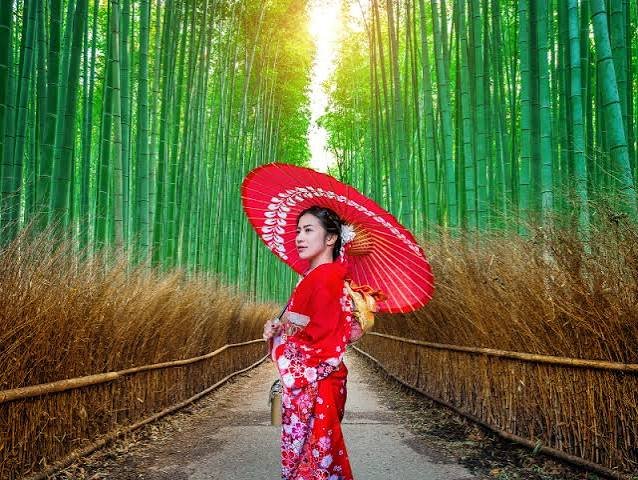
Japan’s appeal lies partly in its ability to hold different eras in view at once. In Kyoto, visitors may pass from a quiet temple garden to a station where high-speed trains arrive with remarkable precision. Wooden shrines, stone paths, and centuries-old ceremonies remain part of daily life, rather than preserved only as museum pieces. Nearby, cafés, design shops, and contemporary galleries show how tradition can continue through new forms. The contrast feels less like a division between past and present than a conversation, one that gives ordinary streets and familiar travel moments an unexpected depth for travelers arriving from abroad.
Across the country, traditional arts offer another way to sense this continuity. In workshops, artisans shape ceramics, textiles, and lacquerware using techniques handed down through generations; theaters and performance spaces present forms such as kabuki, noh, and regional folk dance. Seasonal rituals also connect communities to local landscapes, from festivals welcoming spring blossoms to autumn celebrations marking the harvest. Visitors may encounter these customs in formal settings, but also in everyday details: a seasonal sweet in a shop window, a carefully arranged meal, or a shrine visit woven into a neighborhood festival. Such experiences reveal culture as living practice, shaped by both memory and present-day life.
Modern Japan is also evident in transport, architecture, and urban energy. Reliable rail networks connect major cities with smaller destinations, while sleek stations and thoughtful public spaces reflect practical innovation. In Tokyo, Osaka, and other centers, neon-lit streets, independent boutiques, music venues, and inventive restaurants create a contemporary atmosphere. Yet these fast-moving places often contain a quiet garden, neighborhood shrine, or traditional market nearby. Regional towns and rural areas offer the same interplay through historic streets, local crafts, and modern conveniences. This contrast extends across the country, making journeys varied, connected, and deeply memorable.
Japan’s cities offer remarkably different ways to experience the country, making it easy to shape a trip around personal interests. Tokyo is a vast, energetic capital, yet it is not a single, uniform metropolis. Its neighborhoods each have a distinct character: Shibuya and Harajuku draw visitors with fashion, shopping, and youth culture, while Ginza pairs polished department stores with acclaimed dining. Shinjuku is known for bright entertainment districts and busy stations, but Tokyo also offers quieter places to pause, including temple grounds, traditional gardens, and leafy streets. Moving between these contrasting settings reveals a city where constant activity and moments of calm coexist.
Kyoto provides a different rhythm. As a former imperial capital, it is associated with temples, landscaped gardens, historic streets, and traditions that remain part of daily life. Travelers can visit well-known shrines and Buddhist sites, explore preserved districts, or take time to appreciate seasonal scenery. Kyoto’s appeal is not limited to its landmarks: tea, crafts, and local customs offer insight into the care with which cultural practices are maintained. For visitors seeking history, architecture, and a more reflective atmosphere, the city can be a meaningful counterpoint to Tokyo’s scale and pace.
Osaka, by contrast, is welcoming and direct, with lively streets and a strong food culture. Its restaurants, market stalls, and casual eateries make sampling local specialties an essential part of exploring, while entertainment areas keep the city animated into the evening. Beyond these major destinations, Hiroshima offers history alongside waterfront scenery; Sapporo brings a northern perspective, seasonal festivals, and regional cuisine; and Fukuoka is known for its relaxed urban feel and popular street-food stalls. Each city adds another dimension to Japan. Rather than trying to see everywhere, travelers can choose destinations that match their interests, whether those center on food, contemporary culture, heritage, or quieter landscapes. This variety makes a multi-city journey rewarding, while allowing a focused visit to feel complete as well.
Japan’s landscapes change markedly through the year, giving each season its own atmosphere and reasons to explore. A return visit can feel like a different journey, as gardens, mountains, coastlines, and city streets respond to shifting weather and light. For a once-in-a-lifetime trip, choosing a season that matches your interests can shape the experience, while leaving room for local discoveries along the way.
In spring, cherry blossoms bring soft color to parks, riverbanks, and temple grounds. The brief flowering period draws visitors to popular viewing spots, where picnics and evening illuminations make hanami, or blossom viewing, a memorable cultural experience. Timing matters: blossoms generally progress from warmer southern areas toward northern Japan, and the peak can shift with temperatures. Checking regional forecasts helps travelers find blooms without expecting every city to flower simultaneously.
Summer offers a livelier, greener side of the country. Traditional festivals fill streets with music, dance, processions, and lanterns, while fireworks displays bring communities together after dark. Beyond the cities, forests and mountain trails are at their most verdant, and cooler highland destinations provide a welcome change from humid lowland weather. Festival dates and conditions differ by location, so advance planning is useful, but flexibility can reveal smaller local celebrations.
Autumn transforms wooded hillsides and landscaped gardens with vivid red, orange, and gold foliage. The colors move across the country over several weeks, creating opportunities for scenic walks, temple visits, and countryside excursions. Winter, by contrast, brings snow to northern and mountainous regions, where visitors can enjoy ski areas and quiet, snow-covered scenery. A soak in an outdoor hot spring, or onsen, is especially inviting in cold weather. Yet not all regions receive snow, and temperatures vary widely. Checking conditions and adjusting an itinerary by region helps travelers experience Japan’s seasonal contrasts without assuming the same scenery will appear everywhere at once.
Food is one of the most rewarding ways to understand Japan, where a meal can reveal local history, daily rhythms, and seasonal priorities. The country’s culinary landscape reaches far beyond sushi, spanning steaming bowls of ramen, crisp tempura, savory okonomiyaki cooked on a hot griddle, and soba noodles made from buckwheat. Coastal towns offer grilled seafood, while bakeries, tea shops, and confectioners showcase sweets that may be delicate, playful, or strikingly beautiful. Even a quick meal at a station counter or neighborhood diner can become a memorable part of the journey.
Japanese cuisine is shaped by seasonality and close attention to ingredients. Menus often change as produce, fish, and weather shift, and a dish may celebrate one brief moment in the year. Local vegetables, freshly caught seafood, regional rice, and distinctive broths give familiar foods a different character from place to place. Presentation matters, too: color, texture, serving vessels, and arrangement are considered alongside flavor, creating meals that feel thoughtful without necessarily being elaborate. These qualities are especially apparent in carefully prepared set meals, but they also appear in a market snack or a simple bowl of noodles.
Travelers can deepen the experience by following curiosity rather than searching only for famous restaurants. Step into a neighborhood eatery, browse a market, or ask what dish is associated with the area; regional specialties often tell stories that guidebooks miss. You might find a particular style of ramen, handmade soba, locally grilled fish, or a seasonal sweet that becomes a highlight of the trip. If you have dietary needs or allergies, learn a few useful Japanese phrases in advance. Clear communication can help you ask about ingredients and preparation, although practices vary. Approach each meal with patience and openness; tasting something new reveals the diversity of Japan’s food culture.
Japan can reward travelers who leave room in their itinerary for stillness. A visit to a Buddhist temple or Shinto shrine offers a chance to observe places shaped by spiritual practice, local history, and careful craftsmanship. Buddhist temples are generally associated with Buddhist teachings and may include halls containing images, pagodas, or spaces for prayer. Shinto shrines are dedicated to kami, understood in varied ways as sacred presences, and often feature a torii gate marking a transition into the grounds. These distinctions are useful, but neither tradition is uniform, and customs and architecture differ across regions and sites. Visitors can take time to notice details rather than treating either setting as a backdrop.
Gardens offer another way to slow down. Some are designed for viewing from a veranda; others invite a measured walk along paths beside ponds, stones, and carefully tended plants. Their changing colors and textures can make a visit rewarding in different seasons. Mountain temples provide a quieter contrast to busy city streets, though reaching them may involve steep steps or a longer walk. Allowing enough time to travel at an unhurried pace helps make the journey part of the experience. At any sacred site, follow posted guidance, speak softly where appropriate, and avoid entering restricted areas or interrupting worship. Photography rules vary, so check signs and ask when uncertain.
An onsen visit can also be restorative, combining warm mineral water with a setting that may look out onto forests, coastlines, or mountains. Bathing customs are intended to keep shared water clean and the experience comfortable for everyone. In many facilities, guests wash and rinse thoroughly before entering the bath, bathe without swimwear, and keep towels out of the water. Rules can vary, so read instructions or ask staff for guidance, particularly about tattoos, which some establishments restrict. Move calmly, respect others’ privacy, and keep conversation quiet. Whether resting in a garden, visiting a shrine, or soaking in a hot spring, attentive behavior helps travelers appreciate these spaces while showing consideration for the people who maintain and use them.
Japan’s landscapes shift dramatically across its long chain of islands, offering volcanic peaks, forested valleys, clear lakes, rugged coastlines, and quiet rural countryside. Mount Fuji is the best-known symbol of this variety: its symmetrical cone rises above lakes and woodland, while nearby towns provide views of the mountain from different perspectives. Yet the country’s natural appeal extends well beyond this landmark. Hokkaido’s broad open spaces, the Japanese Alps’ high trails, and the subtropical islands of Okinawa each present distinct scenery and ways to spend time outdoors.
Hiking areas and national parks make it possible to explore these environments at different paces. Visitors can choose challenging mountain routes, gentle lakeside walks, or short trails through forests and volcanic terrain. Island communities offer another perspective, with coastal paths, beaches, fishing villages, and local traditions shaped by the sea. Scenic train routes also bring the landscape into the journey itself, passing through mountain valleys, along shorelines, and between small towns. For travelers who prefer not to hike, rail trips, viewpoints, boat excursions, and accessible paths can provide memorable encounters with nature.
Planning should take account of personal interests and physical ability, as well as practical conditions. Some trails require a good level of fitness, while others are suitable for relaxed day trips; checking route length, elevation, facilities, and transport links helps match an outing to the group. Weather can change quickly in mountainous areas, and heavy rain, heat, snow, or strong winds may affect both safety and access. Seasonal conditions matter, too: blossoms, autumn foliage, and winter snow each bring different scenery, crowds, and travel considerations. Checking local forecasts, park notices, and seasonal transport information before setting out helps ensure that plans remain realistic and enjoyable.
Japan’s artistic traditions are not confined to galleries or formal performances; they appear in the objects, streets, and rituals visitors encounter each day. A tea bowl may reveal the character of a regional ceramic tradition, while a shop window displays textiles shaped by generations of dyeing and weaving. Calligraphy can be found on signs and packaging, and architecture ranges from wooden temples to carefully composed contemporary buildings. Theater, including kabuki and noh, offers distinctive combinations of movement, music, costume, and storytelling. Even an ordinary walk can become an introduction to Japanese design, where attention to material, proportion, and detail gives familiar surroundings a memorable character.
Contemporary culture is equally visible. Manga and animation have devoted audiences, yet their influence also travels through bookstores, advertising, character goods, and public spaces. Music spans traditional instruments, classical performance, jazz, and energetic pop scenes; fashion moves from enduring craft techniques to experimental streetwear. Video games are part of daily entertainment and a major creative industry, with arcades and specialist shops offering a lively glimpse of that world. Museums and cultural venues provide context, from design collections to exhibitions and live performances, but they are only one way to experience these forms. Cafés, record stores, neighborhood theaters, and department stores often reveal how creativity connects with contemporary life.
Travelers can deepen these encounters by looking beyond landmark itineraries. Visit a pottery studio, textile workshop, or calligraphy class, where makers can explain the choices behind their work. Browse independent bookshops, vintage clothing stores, small galleries, and craft markets; these places often introduce emerging artists and locally distinctive objects. Check community calendars for festivals, performances, screenings, and seasonal events, while remaining attentive to local etiquette and photography requests. Such experiences need not replace famous attractions. They add another dimension to them, showing how inherited skills and new ideas coexist. By making room for unplanned discoveries, visitors can see Japan not only as a destination to admire, but as a creative culture in motion.
Japan can be an approachable destination for a first international trip because its public transportation network connects major cities, neighborhoods, and many regional attractions. In large stations, color-coded lines, numbered exits, maps, and signs in English often help visitors identify routes, though busy interchanges can still take time to understand. Trains generally run to dependable schedules, and clear announcements make it easier to follow progress. A little route research before leaving, especially when changing lines or traveling with luggage, can reduce uncertainty without requiring every detail to be planned in advance.
Accommodation also comes in a wide range, from business hotels and traditional inns to hostels and family-run guesthouses. This variety can help travelers match their budget, preferred level of service, and interest in local customs. Before arrival, check the location in relation to transit, note check-in hours, and confirm any instructions about luggage or shared facilities. Keep a payment option that works locally: an international card may be accepted in many places, but cash remains useful for smaller businesses and some transport or vending services. Confirm card fees and access to cash with your provider.
Basic etiquette can make daily interactions more comfortable. On trains, keep conversations quiet, avoid phone calls, and leave priority seating available for those who need it. Queue where marked and allow passengers to exit before boarding. Remove shoes when signs or hosts indicate, such as in some homes, inns, or designated rooms. Ask permission before photographing people, and observe restrictions in temples, shops, and other public spaces. Learning a few courteous expressions, such as sumimasen for “excuse me” and arigatō gozaimasu for “thank you,” is a practical gesture, even if pronunciation is imperfect. Not every journey will be effortless: crowds, unfamiliar ticket systems, or language gaps may require patience. With modest preparation and attention to local cues, navigating Japan becomes more manageable, while everyday encounters offer a respectful way to learn about the culture.
Japan offers more than a checklist of famous sights. Its enduring appeal comes from the way long-standing traditions and contemporary life coexist, from meals that reflect local character, and from landscapes that shift dramatically between regions. A morning at a shrine, an evening in a lively city neighborhood, and a quiet train ride through the countryside can each reveal a different side of the country. Together, these experiences make a visit feel both varied and personal, whether your interests center on art, food, history, design, or the outdoors. The most memorable moments may be planned, but often arrive unexpectedly.
Rather than trying to cover every destination in one trip, choose a few priorities and give them room to shape your itinerary. You might spend several days exploring a single city, follow a regional food trail, visit historic sites at an unhurried pace, or pair outdoor excursions with time to rest. Travel between places can be rewarding, yet a schedule packed with transfers may leave little space for the small discoveries that make a destination memorable: a neighborhood bakery, a seasonal festival, a conversation with a shopkeeper, or a detour that catches your attention. Allowing flexibility helps the journey feel like your own.
Japan’s regional variety means no single itinerary can represent the whole country. Northern landscapes, island communities, historic towns, and metropolitan areas each offer rhythms. Seasons transform places: cherry blossoms arrive, summer festivals fill streets, autumn foliage colors hillsides, and winter brings snow to mountain villages and hot spring resorts. These changes can make a return visit feel less like repeating an earlier trip and more like discovering another Japan. Even when a first journey feels complete, another region, dish, or season may call. Aim not to see everything, but to create an experience that leaves room to return.
Leave a Reply